
How To Shop Securely On Black Friday & Cyber Monday
Black Friday and the following Monday — now heralded Cyber Monday — make for the busiest shopping weekend of the year, rivaling only that of the weekend before Christmas (Super Saturday, for all you procrastinators out there).
This means that the shopping stakes are even higher — and no, I’m not referring to the lines, the mad rush, or the extremely limited quantities of price-reduced televisions.
After The Home Depot and Target mega-databreaches that occurred in previous holiday shopping seasons, shoppers should be on high alert when it comes to ensuring that their identity (and all associated credit/debit cards) remains intact.
The recent progression towards EMV micro-chipped credit cards in the United States has helped limit the vulnerabilities when shopping in-store, but it hasn’t eliminated the fact that all current US credit cards are still built with magnetic strips.
It’s the magnetic strip that continues to plague both consumers and businesses.
With in-store Black Friday purchases becoming more precarious, and with Cyber Monday’s continually rising influence, shoppers have taken to the web to eliminate the hassle, the lines, and the potential data breach threat. That being said, I’ve come up with a few steps you should take to ensure that your all of your Black Friday and Cyber Monday purchases are made securely.
5 Black Friday Tips:
1. Shop On Protected Websites
Cyber Monday may tempt you for the better portion of a 24-hour period (if not earlier that weekend), which means that online deals just might get the best of you. If you succumb to Cyber Monday’s irresistible lure, always ensure that you’re making purchases from secure websites.
To determine if a website is secure, check the URL bar at the top of your browser to see if the site has one (or both) of the following:
- A padlock emblem
- An ‘s’ (for secure) following the ‘HTTP’ — HTTPs://
If there appears to be a broken lock or an ‘X’ or ‘Error’ sign next to the URL, the website is not secure. Do not make any purchases or enter any private information into an unsecured website.

Black Friday photo courtesy of John B. Henderson
2. Monitor Your Purchase History
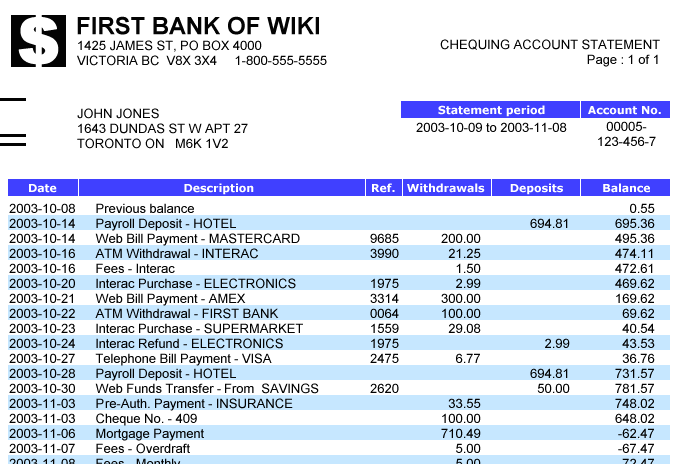
Reading your bank and credit/debit card statements during the holidays — especially after both Black Friday and Cyber Monday — is critical. The most popular shopping weekend of the year undoubtedly, and unfortunately, comes with an increased data breach and identity theft threat.
Check all of your statements to see if any fraudulent or errant charges appear on your account. Keep both your physical and digital receipts to check over your purchase history, right down to the last cent.
If you spot a deviation or an unusual purchase (especially from a different city/state), notify your bank and the credit card provider immediately to have the purchase nullified and the card cancelled.
This directly leads into the next step…
3. Make Purchases With One Card
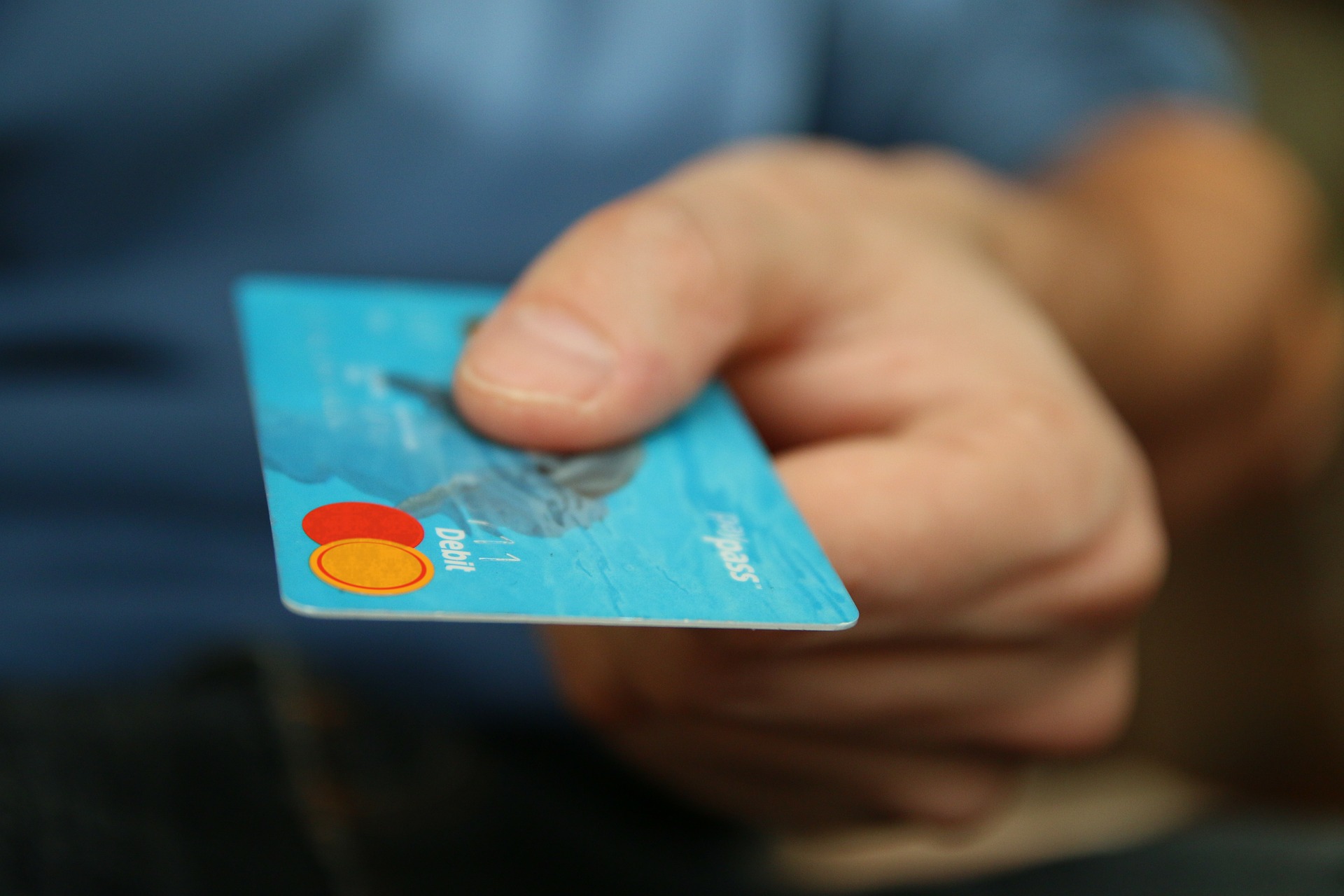
Whether you’re making purchases on Amazon.com, Target.com, or any private online retailers, remember to use only one credit or debit card for all of your online purchases, regardless of the website.
Not only does this make monitoring your accounts easier, but it could also help you eliminate any fraudulent purchases, if they were to arise: you’d only need to claim and cancel one card with fraudulent activity rather than a number of cards.
It may also help you budget (or balance) your spending this holiday season, which may come in extremely handy to a good majority of us who, perennially, spend far too much.
4. Only Shop Across Secure WiFi
There are a multitude of mobile, internet-capable devices that can be used for making purchases on Cyber Monday, so be aware before you do any shopping as to what WiFi network your device is connected to.
Sometimes it may not seem as obvious to you that you’re connected to an unprotected public WiFi network because your mobile device has auto-connected to the network based on previous use. So, always check your connection and make sure you’re entering private information, including credit card numbers and passwords, across secure WiFi networks.
Also, make sure that all of your devices are locked with some sort of passcode when you’re not using them. If a device can be accessed without a fingerprint or numerical combination passcode, the potential for fraudulent purchases to be made from your device rises significantly.

5. Use Your Credit Card Microchip
If you’re one of the brave souls who choose to hit the pavement — as part of some hallowed consumeristic ritual each and every Black Friday — remember to only make purchases with your newly updated and equipped EMV-chipped credit card.
So, what does this mean?
This means don’t use the magnetic strip on the back of your card/the standard credit card swipe process to pay for your items — even though it may be tempting and/or habitual.
To purchase using the microchip, insert your credit card into the card reader, wait five to ten seconds, and then move on to the next sardine-packed retailer for the remainder of your holiday gifts.
Banks and credit card providers inserted the Microchip into your card as a better method of protection, so use it!

